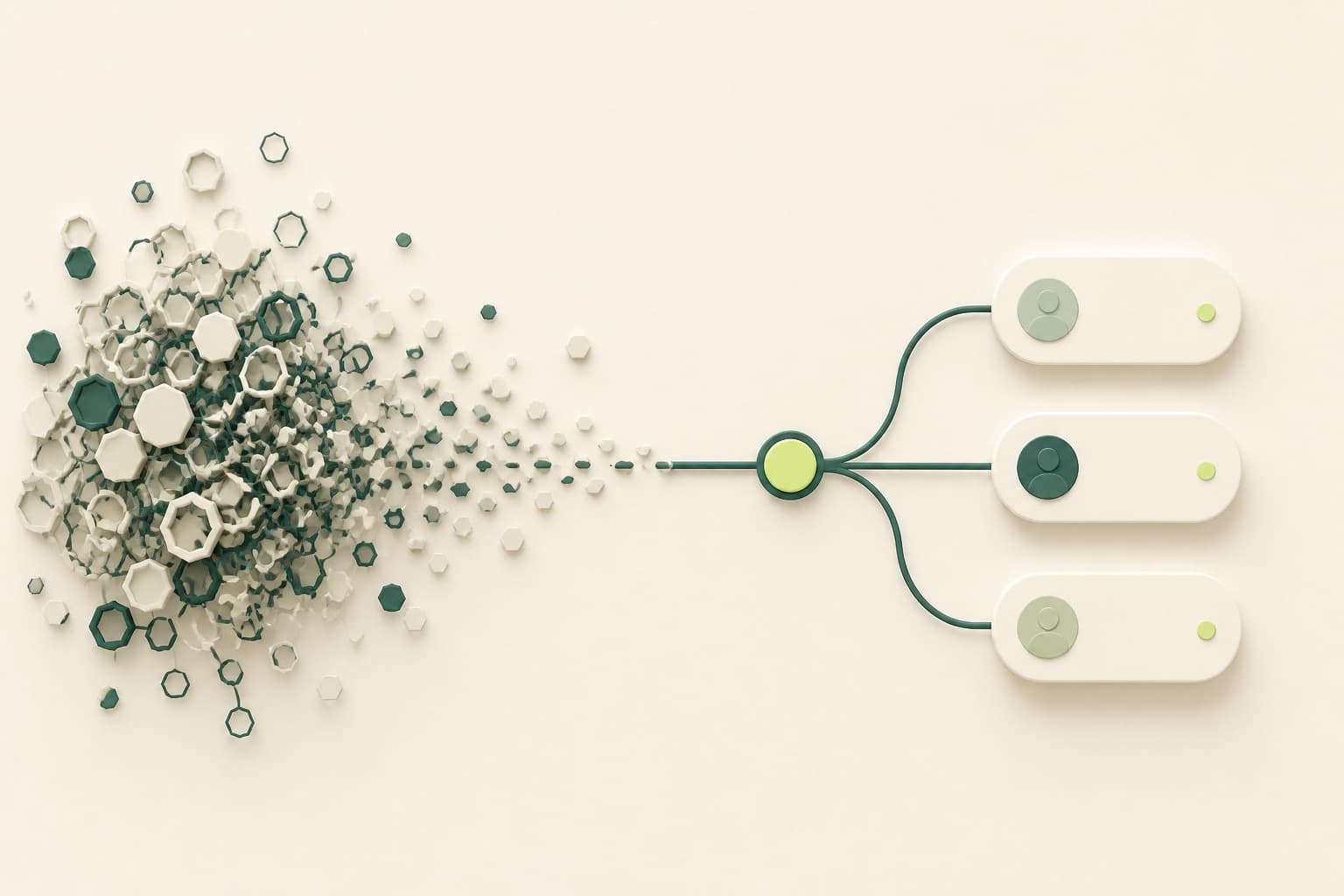
A payment request is not a vague “pay me when you can.” It’s a link that already knows the amount and why. The buyer doesn’t invent a number. You don’t chase them for the rest in a follow-up.
People search for “how to request payment from a client” and get invoice templates. Templates don’t move money. A locked link does.
What it contains
- Amount — fixed. That’s the product.
- Memo — “Brand sprint week 2,” not a novel
- You — the @name that gets credited
- A URL you can drop in email, Slack, or WhatsApp
What it is not
- Not a service page. Recurring offerings live on the catalog (Collect).
- Not a wallet address. No paste, no network quiz.
- Not “send whatever.” Open amounts are how invoices die in chat.
“Pay $150 for the critique” closes. “Pay me something” does not.
Request builder (do this once)
- Write the amount you’d honor if they paid in the next hour.
- Write a memo you’d still understand in 90 days.
- Generate the link from your Vybe balance—don’t mint a new wallet for this client.
- Send the link. Stop sending addresses in the same thread.
When to use a request vs Collect
Custom number, one job, this person only → payment request. Same SKU you’ll sell next month → offering on Collect. Paying a friend back → Pay by @name, no request needed. Wallet just holds whatever lands.